Many people ask me about Walk and Talk therapy — how it works, why it feels different from traditional sessions, and whether it might be right for them.
In short, Walk and Talk therapy brings together movement, nature, and therapeutic support in a way that feels freeing, grounding, and highly effective. For many clients, it offers a refreshing alternative to sitting in a room — and can help them process emotions, gain clarity, and take meaningful steps forward.
In this post, I’ll explore what Walk and Talk therapy is, why research shows it works, and how my Walk and Talk sessions build on these benefits in a flexible, client-led way.
What Is Walk and Talk Therapy?
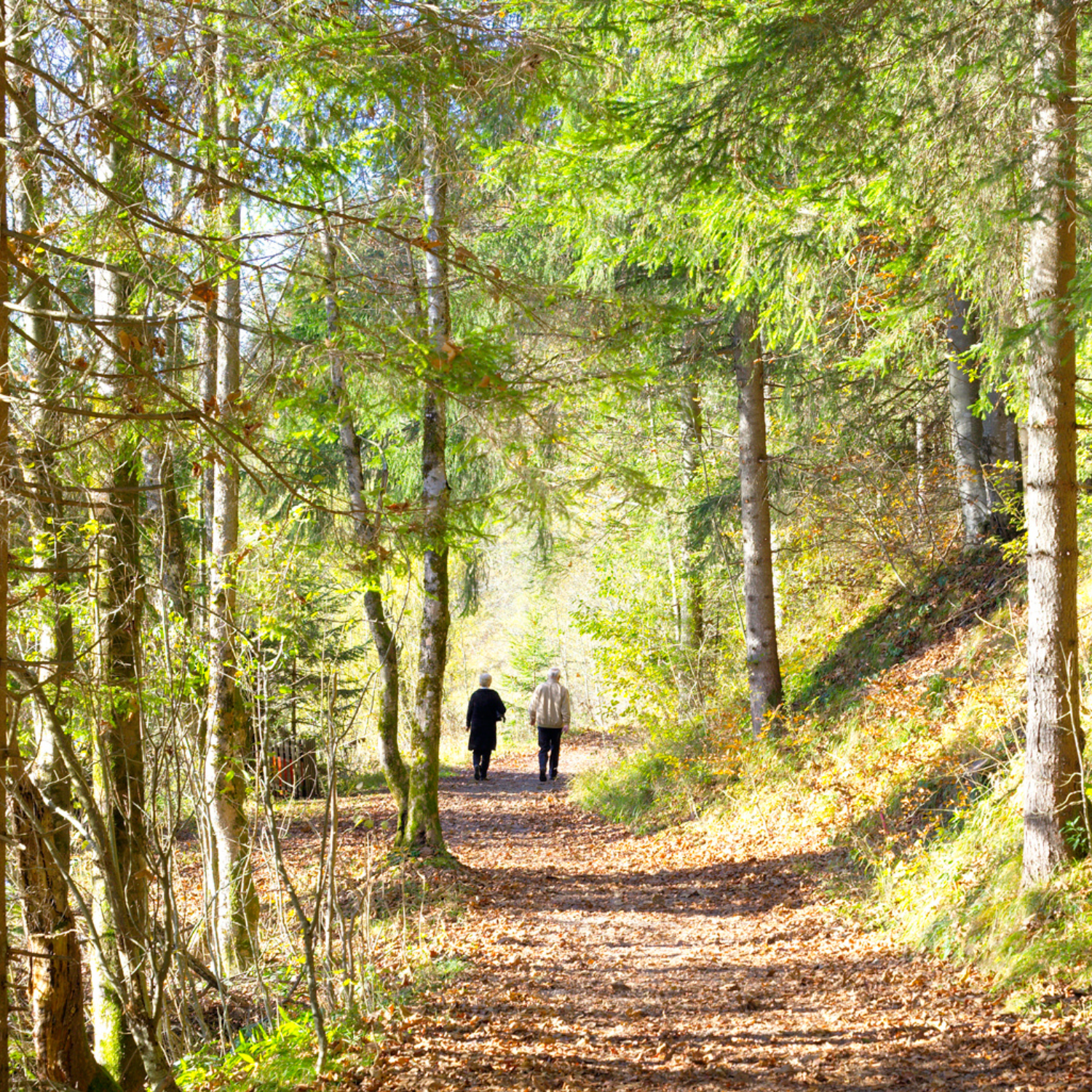
Walk and Talk therapy is exactly what it sounds like — instead of sitting in a room, you and your therapist walk side by side in nature, engaging in therapeutic conversation along the way.
It offers the same evidence-based support as traditional counselling but with the added benefits of movement and the natural environment — both of which can enhance emotional processing, reduce stress, and promote overall wellbeing.
Why Is Walk and Talk Therapy So Effective?
1. Movement Supports Mental and Emotional Processing
Walking helps us think more clearly, regulate emotions, and process stress. Research has shown that regular physical activity, such as walking, is effective in reducing symptoms of anxiety and improving cognitive function (Stonerock et al., 2015).
When we walk, we often find it easier to reflect, express emotions, and gain perspective — especially in a supportive therapeutic setting.
2. Nature Calms the Nervous System
Time in nature is not just enjoyable — it’s scientifically proven to be beneficial for our mental health. Studies show that exposure to natural environments helps lower cortisol (the body’s main stress hormone), reduces blood pressure, and supports a state of calm and emotional balance (Bratman et al., 2015; Park et al., 2010).
In Walk and Talk therapy, nature becomes part of the process — offering a peaceful, grounding space that supports healing and growth.
3. It Feels More Comfortable and Less Intimidating
For many people, walking side by side rather than sitting face-to-face creates a sense of ease. It can feel less intense, especially when exploring vulnerable or challenging topics.
This approach helps clients open up more naturally, supporting honest, productive conversations — a finding supported by research into outdoor and experiential therapies (Jordan & Hinds, 2016).
4. It Builds Mind-Body Awareness
Walking helps you tune into your body, notice thoughts and emotions, and develop greater self-awareness. This mind-body connection supports emotional regulation, helps with stress management, and encourages more intentional, grounded decision-making.
(Further Reading: Bratman et al., 2015; Park et al., 2010; Stonerock et al., 2015; Jordan & Hinds, 2016)
FAQs – What You Might Be Wondering
Do I need to be fit or outdoorsy?
Not at all. These walks are gentle and paced to suit you. It’s about creating a supportive space in motion, not about fitness.
What should I wear?
Comfortable clothes and shoes, plus weather-appropriate items like a hat, jacket, or water bottle.
What if the weather’s bad?
We can reschedule, move the session online, or find a sheltered alternative — flexibility is part of the process.
Can I switch between Walk and Talk and online sessions?
Absolutely — many clients alternate between both, depending on what feels right.

Ready to Take the First Step — Literally?
If you’re curious about Walk and Talk therapy and how it could support you, I offer Walk and Talk sessions on the southern Gold Coast. These sessions blend the benefits of Walk and Talk therapy with counselling, coaching, and holistic support — tailored to your goals, preferences, and pace.
You don’t need to have it all figured out. Let’s connect and see if this approach feels right for you.